

Football, known as the “beautiful game,” has evolved dramatically over the decades—from tactics and equipment to the very surfaces players compete on. Artificial turf, once a controversial alternative to natural grass, has emerged as a game-changing solution for football facilities worldwide. Combining durability, performance, and accessibility, modern football-specific artificial turf has transformed how the sport is played, trained for, and enjoyed across all levels.
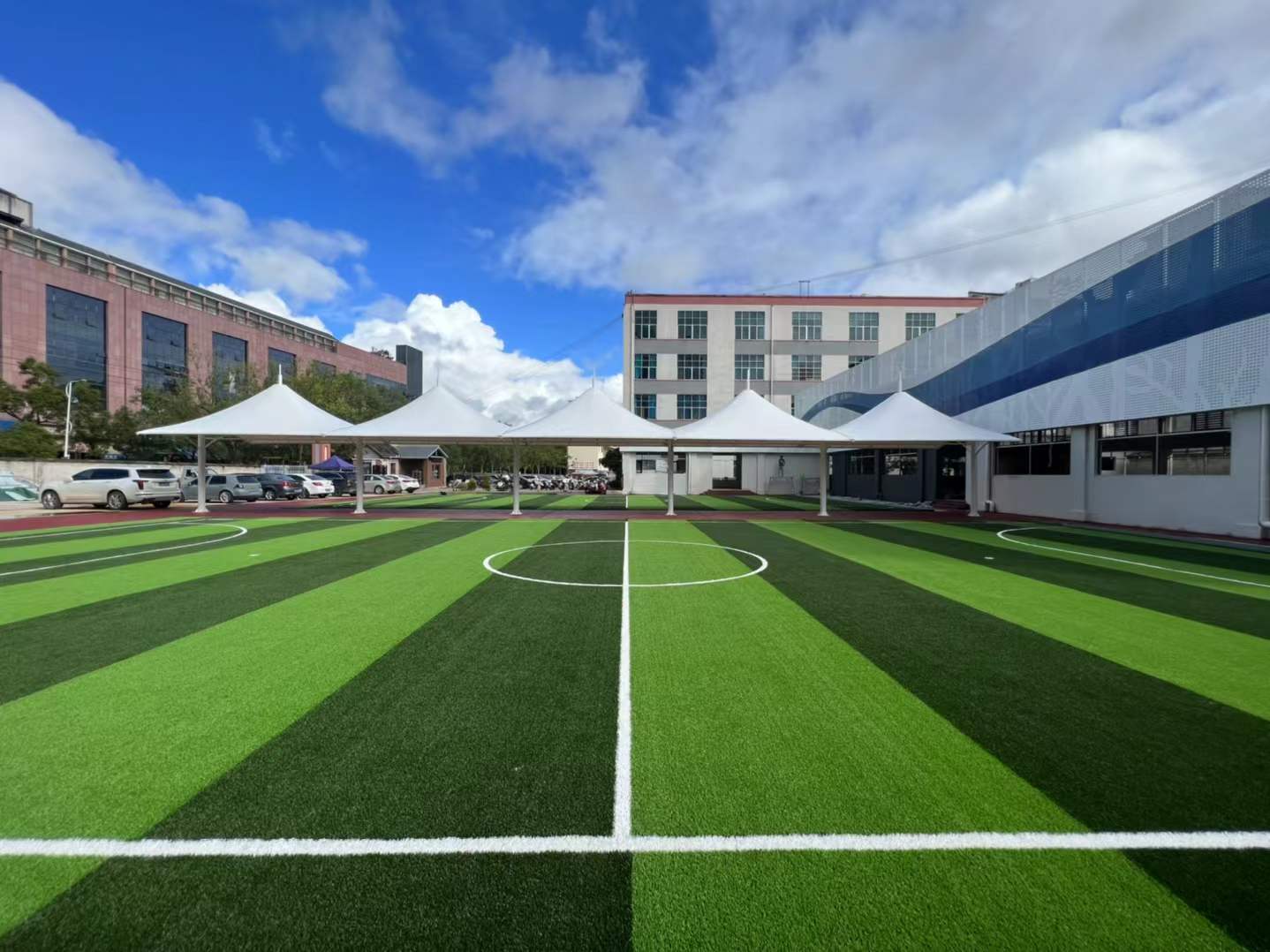
Key Benefits for Football Facilities and Players
One of the primary advantages of artificial football turf is its unmatched durability. Unlike natural grass, which requires constant watering, mowing, and rest periods to recover from wear, artificial turf can withstand heavy usage—up to 20 hours per day—without deteriorating. This makes it ideal for high-traffic facilities such as community fields, school campuses, and professional stadiums that host multiple matches or training sessions weekly.
For players, modern artificial turf prioritizes safety and performance. The infill system provides critical shock absorption, reducing the risk of joint injuries and concussions compared to older turf models. The fiber density and pile height ensure consistent traction, preventing slips and falls while allowing players to execute precise movements—from quick turns to powerful kicks—just as they would on natural grass. Additionally, artificial turf eliminates the unpredictability of uneven or muddy natural grass surfaces, ensuring a level playing field in all weather conditions.
Accessibility is another key benefit. Artificial turf requires minimal irrigation, making it a sustainable choice in regions with water scarcity. It also remains usable in rain, snow, or extreme heat, eliminating cancellations due to poor weather. For communities with limited green space, artificial football fields provide a year-round, low-maintenance option for recreation and competition.
Maintenance and Longevity
While artificial turf is low-maintenance, regular care is essential to maximize its lifespan (usually 3-8 years for high-quality turf). Basic maintenance tasks include:
Regular brushing to keep fibers upright and prevent matting.
Removal of debris (leaves, dirt, trash) to maintain drainage and appearance.
Periodic infill top-ups to replace material that may settle or wash away.
Inspection for damage (e.g., tears, loose fibers) and prompt repairs.
Professional maintenance, such as deep cleaning or infill redistribution, is recommended annually to preserve performance and safety.
Environmental Considerations
Modern artificial football turf is designed with sustainability in mind. The use of recycled rubber infill diverts waste from landfills, while reduced water consumption helps conserve natural resources. Additionally, many turf manufacturers use eco-friendly production processes and offer recycling programs for end-of-life turf, ensuring minimal environmental impact.
Compared to natural grass, which requires pesticides, fertilizers, and frequent mowing (contributing to carbon emissions), artificial turf has a smaller ecological footprint—especially in regions where natural grass requires intensive maintenance.
Conclusion
Artificial turf has come a long way from its early days, evolving into a high-performance, sustainable, and accessible surface for football. By combining the feel of natural grass with the durability of synthetic materials, it has revolutionized the sport, enabling more people to play and enjoy football year-round. Whether in professional stadiums, community parks, or schoolyards, artificial football turf continues to prove that it is more than just an alternative—it is a superior solution for the modern game. As technology advances, we can expect even more innovations in turf design, further enhancing safety, performance, and environmental sustainability for the beautiful game.