

Soccer, the “beautiful game,” depends heavily on playing surface quality for fair competition, player safety, and spectator enjoyment. For decades, natural grass was the gold standard—but artificial grass has reshaped the sport. From local community fields to pro stadiums, this synthetic option is widely adopted, thanks to its durability, consistent performance, and practicality. As technology advances, it addresses early flaws, cementing its role in modern soccer infrastructure.
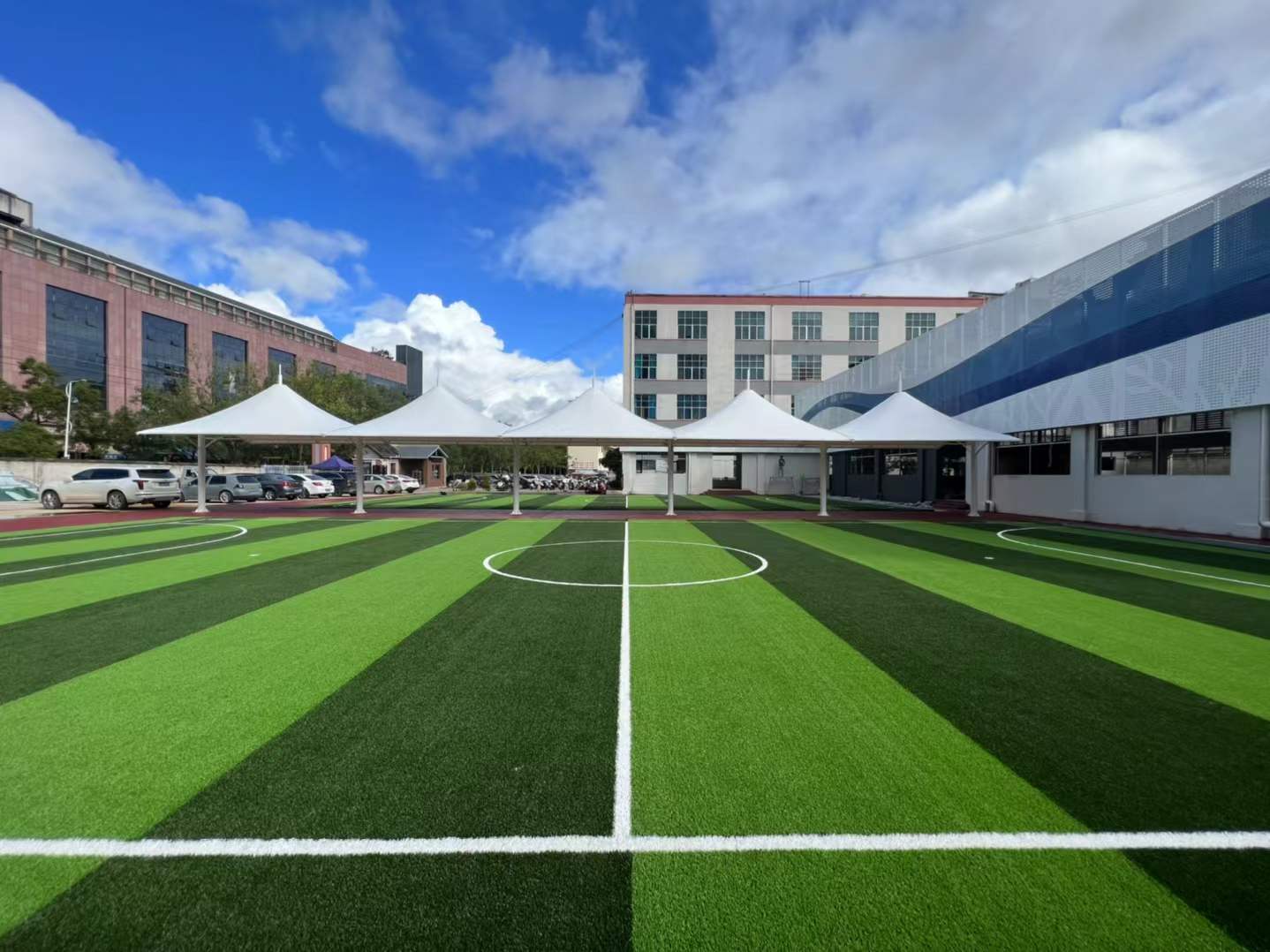
Core Advantages: Why Turf Leads Modern Soccer
Artificial turf solves long-standing natural grass problems. Here are its top benefits:
1. Unbeatable Durability
Natural grass fails under heavy use—frequent matches or training leave it patchy or muddy. High-quality artificial football grass handles up to 3,000 hours of use yearly, far more than natural grass’s 500–1,000 hours. This helps busy facilities: indoor fields in Toronto or Berlin use it year-round, while outdoor turf resists drought, rain, and frost, cutting cancelations.
2. Consistent Performance
Natural grass is unpredictable—rain makes it slippery, heat dries it hard. Turf maintains uniform texture and ball bounce in any weather. It replicates natural grass’s roll and bounce, letting players dribble, pass, and shoot with precision. Infill reduces joint impact, protecting knees and ankles.
3. Low Maintenance & Cost Savings
Natural grass needs mowing, watering, fertilizing, and reseeding—costly and labor-heavy. Arid regions like Arizona use 1–2 million gallons of water yearly for one field.
Turf eliminates most costs: no watering, mowing, or chemicals. Routine care is just debris cleaning and infill top-ups. It saves 50–70% on maintenance, freeing funds for community groups to buy equipment or hire coaches.
4. Surprising Sustainability
Critics once called turf eco-unfriendly, but modern systems use recycled materials (one field repurposes 40,000 plastic bottles into fibers). Greener infill (cork, coconut husk) replaces problematic rubber crumbs. Turf also conserves water, cuts carbon footprints, and advanced drainage redirects rainwater, boosting sustainability.
Addressing Common Criticisms
Turf faces criticism, but the industry responds:
1. Injury Risks
Early turf caused injuries, but FIFA’s standards now ensure safety. A 2023 Journal of Sports Sciences study found no difference in ACL injury rates between turf and natural grass.
2. Disposal Impact
Old turf once went to landfills, but recycling programs now shred it—fibers become new plastic, rubber infill becomes tires or playground surfaces. Manufacturers offer “take-back” programs for easy recycling.
The Future of Turf
Technology will make turf better:
- Realistic Performance: Fibers with natural flexibility, “smart turf” with sensors tracking player speed and impact for coaches.
- More Sustainability: 100% recycled/biodegradable materials, solar-integrated turf, or infill with microorganisms breaking down waste.
- Elite League Adoption: MLS and UEFA already use turf; the Premier League or La Liga may follow to cut costs and boost usage.
Conclusion
Artificial soccer turf has come from a flawed alternative to a high-performance, sustainable solution. Its durability, consistency, and low upkeep suit community fields and pro stadiums, while innovations fix remaining issues. For soccer, turf isn’t just a replacement—it’s a revolution, making the game more accessible, eco-friendly, and safe. As technology advances, it will stay key to soccer’s growth for decades.