

In the dynamic world of sports, the playing surface plays a pivotal role in enhancing performance, ensuring player safety, and facilitating seamless gameplay. Over the years, artificial grass has emerged as a popular alternative to natural grass, offering a plethora of advantages that make it an attractive option for sports facilities of all kinds.
I. Understanding Artificial Grass for Sports
Artificial turf for sports is a synthetic surface meticulously designed to mimic the appearance, texture, and performance characteristics of natural grass. It is crafted from a combination of high-quality synthetic fibers, typically made from polyethylene (PE), polypropylene (PP), or nylon, which are tufted or woven onto a backing material. To enhance its functionality and realism, the surface is often filled with materials such as sand, rubber granules, or a combination of both, providing stability, cushioning, and a natural playing feel.
II. Advantages of Artificial Grass in Sports
A. Durability and Longevity
One of the most compelling advantages of artificial synthetic grass is its exceptional durability. Unlike natural grass, which is susceptible to wear and tear from heavy foot traffic, extreme weather conditions, and frequent use, artificial grass can withstand the rigors of intense sports activities without significant damage. With proper installation and maintenance, high-quality artificial grass can last up to 5-10 years or even longer, making it a cost-effective long-term investment for sports facilities.
B. Low Maintenance Requirements
Artificial grass significantly reduces the time, effort, and resources required for maintenance compared to natural grass. Natural grass demands regular mowing, watering, fertilizing, aerating, and pest control to keep it in optimal condition. In contrast, artificial grass only needs occasional brushing to keep the fibers upright, periodic cleaning to remove debris and dirt, and infill replenishment to maintain cushioning and stability. This low maintenance aspect not only saves time and labor but also reduces operating costs, making artificial grass an ideal choice for sports facilities with limited budgets or resources.
C. Consistent Playing Surface
Artificial grass offers a consistently smooth and even playing surface, regardless of weather conditions or the intensity of use. This consistency enhances the overall performance of athletes and allows for fair and competitive gameplay.
D. All-Weather Usability
Artificial grass has excellent drainage properties, allowing water to quickly pass through the surface and preventing puddling. This means that sports can continue even after heavy rainfall, ensuring maximum utilization of the sports facility and minimizing disruptions to training and competition schedules.
E. Water Conservation
In an era of increasing water scarcity and environmental awareness, artificial grass offers a significant advantage in terms of water conservation. Natural grass requires substantial amounts of water for irrigation, especially during dry seasons or in arid regions. In contrast, artificial grass does not need watering, resulting in substantial water savings. By choosing artificial grass for sports facilities, communities can contribute to water conservation efforts and reduce their environmental impact.
F. Customization Options
Artificial grass can be customized to meet the specific needs and requirements of different sports. The length, density, and texture of the grass fibers can be adjusted to optimize performance for various sports, such as football, soccer, rugby, tennis, and golf. Additionally, the infill material can be selected to provide the desired level of cushioning, shock absorption, and ball bounce. This customization allows sports facilities to create playing surfaces that are tailored to the unique demands of each sport, enhancing player performance and safety.
III. Applications of Artificial Grass in Sports
1.Football and Soccer Fields
2.Rugby and American Football Fields
3.Tennis Courts
4.Golf Courses
5.Athletics Tracks
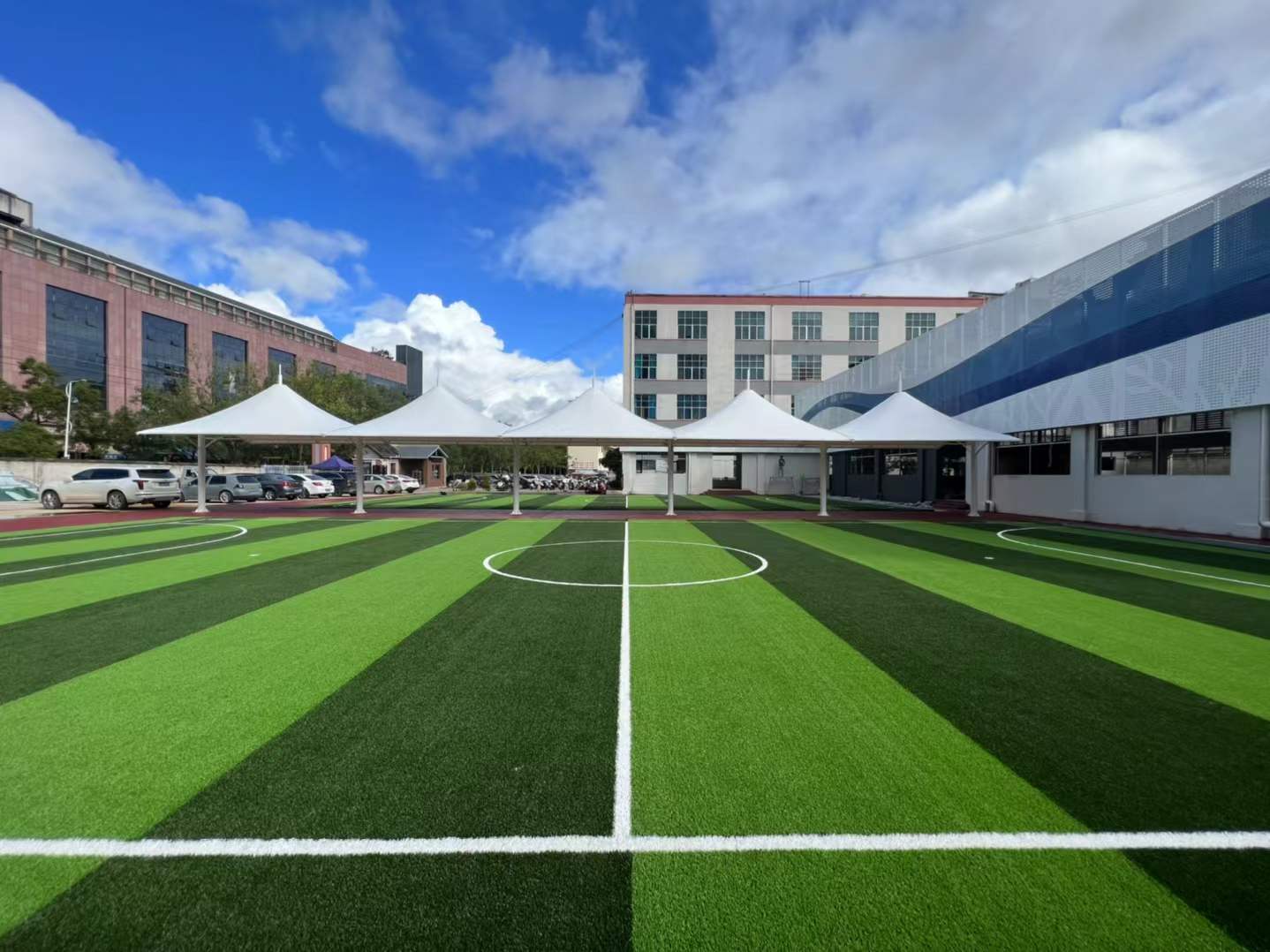
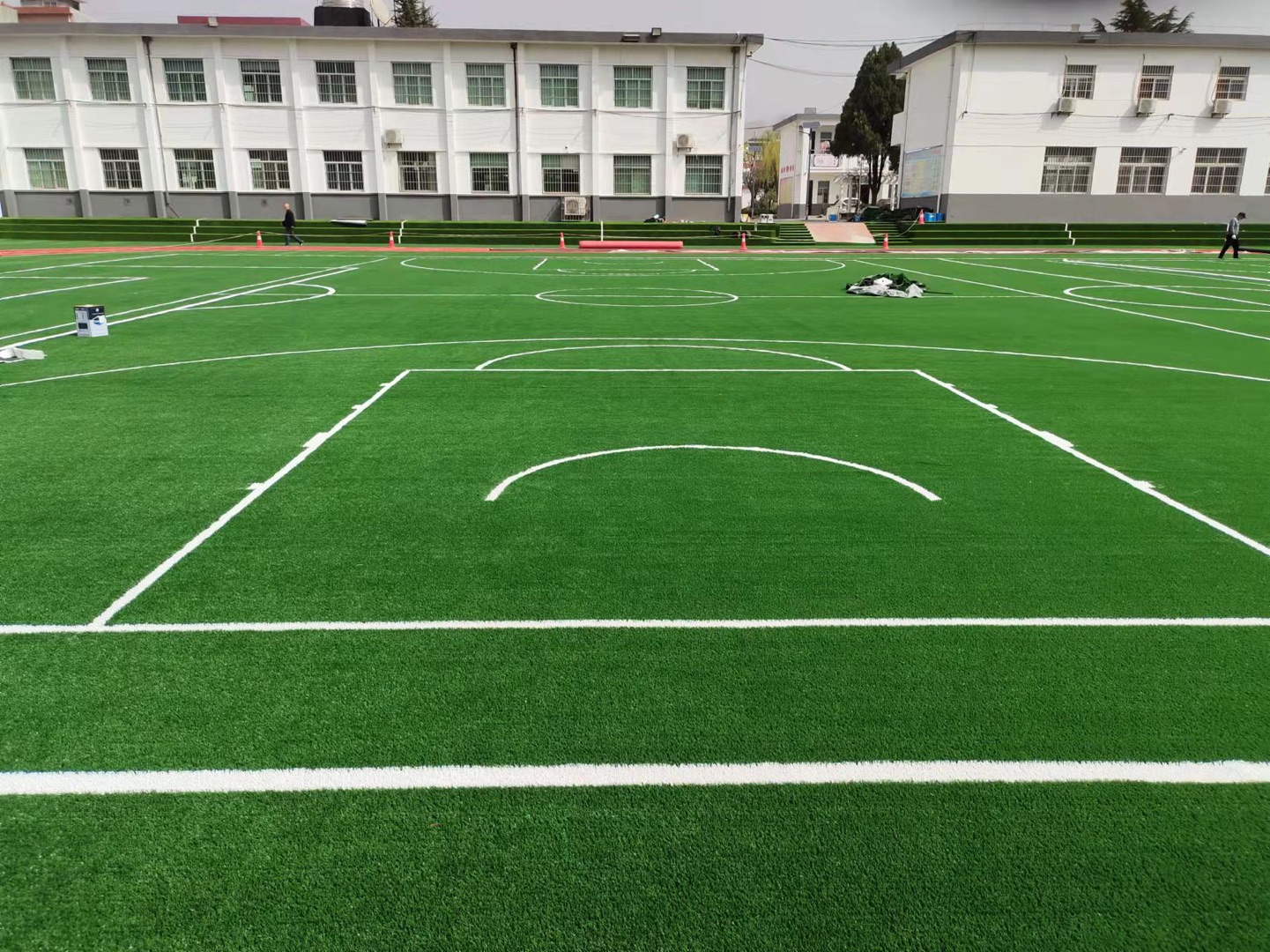
IV.Conclusion Artificial grass has emerged as a game-changer in the sports industry, offering a range of advantages that make it a viable and attractive alternative to natural grass. Its durability, low maintenance requirements, consistent playing surface, all-weather usability, water conservation benefits, and customization options have made it a popular choice for sports facilities of all types. While there are some drawbacks associated with artificial grass, such as initial installation costs, heat absorption, environmental concerns, and the lack of a natural feel, ongoing research and development efforts are focused on addressing these issues and improving the performance and sustainability of artificial grass. As technology continues to advance, the future of artificial grass in sports looks promising, with the potential for even more innovative and eco-friendly solutions that will enhance the playing experience for athletes and contribute to the growth and development of the sports industry.